

PORT ALBERNI | VANCOUVER ISLAND | VIRTUAL ACROSS BC
Your Vancouver Island mortgage broker, since 2009.
2009
Helping clients since
5.0 ★★★★★
120+ Five Star Google Reviews
ALL OF B.C
Fully virtual, wherever you live
Why work with me
The care and knowledge of a
professional broker, start to finish.
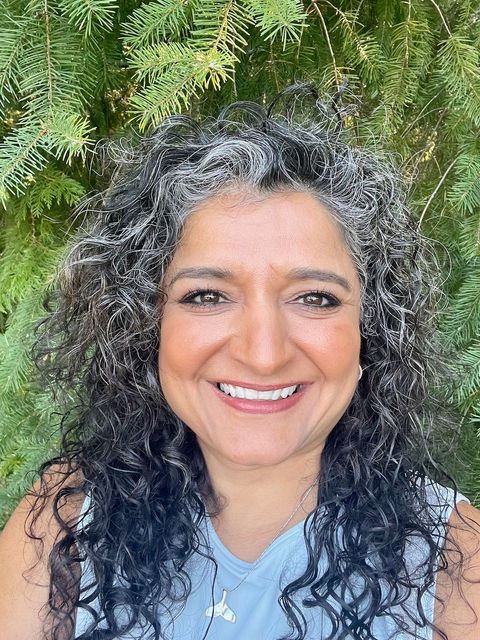
RABINDER DHILLON
MORTGAGE BROKER
Thank you for taking the time to visit my website. I look forward to working with you!
Since 2009, I have dedicated my career to helping people make informed decisions about their mortgage options. Taking on a mortgage is one of the largest financial commitments most individuals will make in their lifetime.
My goal is to ensure every client understands that I work for them—that their goals, concerns, and needs are all equally important. I strive to build long-term relationships based on trust, transparency, and understanding. My priority is to help clients fully explore their options so they can make confident, well-informed choices that support their long-term financial success.
I take pride in being a single point of contact for my clients, offering the personal attention and expertise they deserve throughout the entire mortgage process—and beyond. Mortgages can be complex and, at times, overwhelming. By liaising directly with lenders on my clients’ behalf, I ensure they are informed, comfortable, and never lost in lender jargon. With patience, persistence, and creative problem-solving, I work diligently to find solutions for even the most challenging files. There is always a path forward—sometimes a solution, sometimes a plan toward one.
One of the experiences I am most fond of was my time in the Alberni Valley promoting financial literacy among teens. From 2012 until the onset of COVID-19, I volunteered as a guest lecturer at ADSS, teaching students about the value of money—from saving and understanding credit to investing for the future. It was incredibly rewarding to see their curiosity grow and to know I was helping them build a foundation of financial confidence. I still believe that knowledge is power, and that the more young people understand about money, the stronger and more secure their futures can be.
Rooted on the Island, working across BC
Local to Vancouver Island.
Available anywhere in BC.
Port Alberni is one of Vancouver Island's most affordable markets, which makes it a real opportunity for first-time buyers priced out of Victoria or Nanaimo, and for investors looking Island-wide. Knowing the local market is part of how I help.
And because my process is fully virtual, you do not need to be nearby to work with me. From Tofino to Victoria to the Lower Mainland, I help clients across the province through phone, video and secure digital tools, with the same personal service either way.

Kind words from clients
Trusted by hundreds for all their mortgage needs
MORTGAGE SERVICES
What I can help you with
Whether you are buying your first home or your fifth, navigating a major life transition, or ready to put your home's equity to work — there is a mortgage strategy built for where you are right now.

First-Time Home Buyers
No jargon and no pressure. Just clear, patient guidance through every step of buying your first home, so the whole thing feels a lot less overwhelming.

Home Purchase
Moving up, relocating, or buying your next place? I compare lenders across the market to find the mortgage that fits your life, not just the lowest rate.

Refinance
Access your equity, fund a renovation, or improve your cash flow. I explain every option plainly, and I will tell you honestly if refinancing is not the right move.

Mortgage Renewal
Your renewal is a chance to do better, not just to sign. I compare the whole market and review your goals before you commit to another term.

Separation & Divorce
Keeping the home, spousal buyouts, qualifying on one income. I handle these with care and discretion, at whatever stage you are in, and never any pressure.

Self-Employed
Self-employed does not mean unqualified. It means your application needs to be built the right way, and I know how to present your income to lenders.

New to Canada
New to the country and buying your first home here? There are lender programs built for newcomers, even if your Canadian credit is still building. I will explain every step in plain language, with no pressure.

Reverse Mortgage
You have spent years building equity in your home. A reverse mortgage can let homeowners 55 and older access it, tax-free and with no monthly payments, without selling. I will give you an honest look at whether it fits.

Separation & Divorce
A separation raises hard questions about the home. Can you keep it? Can you buy out your partner? I handle these with care and discretion, and help you understand your options at whatever stage you are in.
My Mortgage Tools
Download my free mortgage app
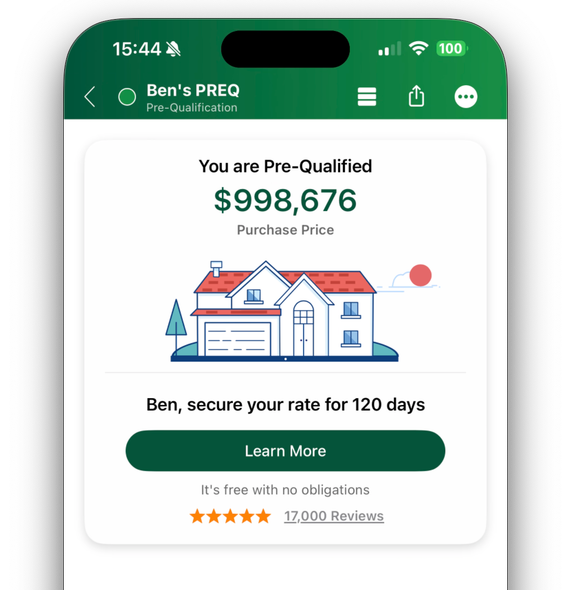
Here's What You Can Do ⤵
- Calculate your total cost of owning a home
- Estimate the minimum down payment you need
- Calculate Land transfer taxes and the available rebates
- Calculate the maximum loan you can borrow
- Stress test your mortgage
- Estimate your Closing costs
- Compare your options side by side
- Search for the best mortgage rates
- Email Summary reports (PDF)
- Use my app in English, French, Spanish, Hindi, and Chinese
Let's Run Some Numbers
CALCULATE
Whether you're just getting started, have a home in mind, or want to refinance or renew an existing mortgage, why not start by using my online calculator?
APPLY NOW
Common questions
The questions I hear most
How much mortgage can I qualify for?
It depends on your income, your existing debts, your down payment and your credit, all measured against the lender's limits and the mortgage stress test. Most buyers qualify for roughly four to five times their household income, but the real number is personal. I will review your full picture and give you a clear, honest amount to shop with, rather than a rough guess from an online calculator.
How much down payment do I need to buy a home in BC?
The minimum in Canada is 5 percent on the first 500,000 dollars of the price and 10 percent on any portion between 500,000 and one million. With less than 20 percent down, your mortgage is insured, which is completely normal and gives you access to the best rates. First-time buyers in BC may also qualify for a Property Transfer Tax exemption, which I will help you understand.
What is the difference between a pre-qualification and a pre-approval?
A pre-qualification is a quick estimate based on an online calculator, with nothing verified.
A pre-approval is stronger. I review your documents and credit and confirm your range with a lender, and it comes with a rate hold that protects you if rates rise. When you make an offer, a real pre-approval carries far more weight.
Can I get a mortgage if I am self-employed?
Yes. Being self-employed just means your income needs to be presented the way lenders want to see it. If your taxable income is lower than what you actually earn, there are lenders and programs built for exactly that. I will explain what documents you need and match you to a lender who understands self-employed income.
Should I renew with my current lender, or shop around?
Rarely should you simply sign your lender's first renewal offer. It is usually not their best rate, and your renewal is a chance to review whether your mortgage still fits your life. I compare multiple lenders, factor in your goals and any life changes, and explain penalties and prepayment options in plain language so you can decide with confidence.
Can I keep my home after a separation or divorce?
In many cases, yes. A spousal buyout lets one partner refinance to buy out the other's share, and under a special program it can be treated like a purchase, allowing you to borrow more of the home's value than a standard refinance. Support payments can sometimes be used as income too. I handle these files with care and discretion, and I will walk you through your options without pressure.
How quickly can I get pre-approved?
In most cases we move quickly once we have your documents — many pre-approvals are completed within 24–48 hours. Having your income documents, employment confirmation, and financial statements ready ahead of time speeds things up considerably.
Do I have to live in Port Alberni to work with you?
Not at all. Port Alberni is my home base, but my process is fully virtual and has been for years. I work with clients across Vancouver Island and all of British Columbia through phone, video calls, secure document uploads and electronic signatures, so you can complete your mortgage from anywhere in the province.
Still have a question?
I provide mortgage services to loyal clients in a transparent environment, with an authentic voice, helping them feel protected, and save time and money.
VALUED RELATIONSHIPS
I've developed excellent relationships with Lenders, Realtors, Appraisers, Solicitors & Notaries, Home Inspectors, and many other service providers.

MORTGAGE RESOURCES